

Quick answer
Dolphin cruises in the Bay of Islands are safe when run by certified operators adhering to Maritime New Zealand protocols. Vessels carry life jackets, first-aid equipment, and trained crew. Weather-related cancellations protect passengers from rough seas. The inner bay's natural shelter reduces wave height, and the 170 NZD cruise includes both safety briefings and DOC-approved dolphin interaction guidelines that minimize risk to humans and marine life alike.
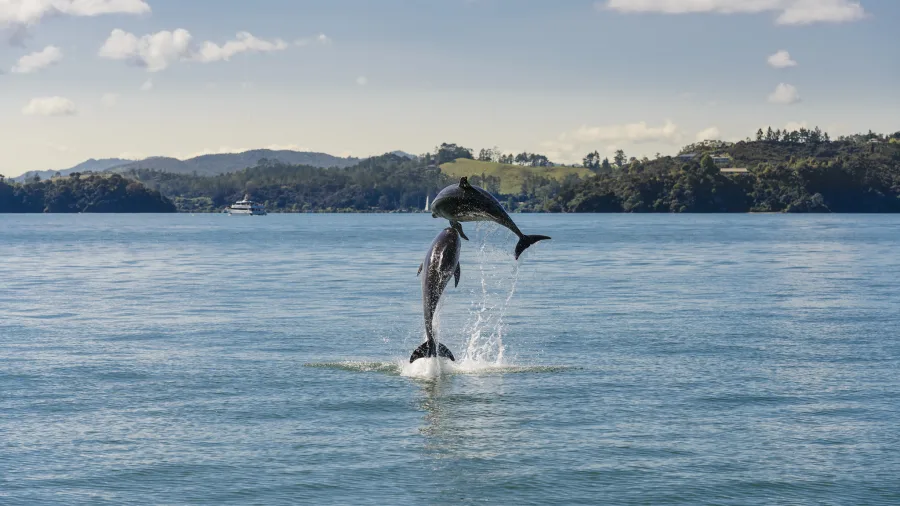
More than 600 bottlenose dolphins live year-round in the Bay of Islands, and commercial operators have tracked their movements for three decades without a single fatality. The question of dolphin cruise safety turns on three factors: vessel standards, weather monitoring, and operator compliance with Department of Conservation rules. Maritime New Zealand requires all commercial dolphin vessels to pass annual surveys covering stability, engine reliability, life-saving equipment, and crew certification. Operators in Paihia maintain VHF radio contact with harbor control and cancel departures when wind exceeds 25 knots or swell tops 2 meters. The bay's 144 islands create natural windbreaks, so sea state inside the eastern passages remains calmer than exposed coastline even during unsettled weather. Crew-to-passenger ratios average 1:12, and every departure includes a safety briefing covering life jacket locations, emergency procedures, and dolphin approach protocols. The most common incidents involve seasickness rather than collision or capsize. Dolphins approach vessels on their own terms—DOC regulations prohibit chasing or corralling pods—and the animals typically maintain a buffer of several meters. Swimmers entering the water wear wetsuits and stay within sight of the boat. Children under 8 remain aboard during in-water sessions. The base adult price of 170 NZD covers the cruise, island stop, and all safety equipment; no additional fees apply for life jackets or flotation aids. Operators launching from the Maritime Building on Paihia Wharf hold both Qualmark certification and DOC concessions, which require incident reporting and periodic audit. Departure windows between 08:30 and 09:30 align with the calmest sea conditions and highest dolphin activity in the inner bay. The combination of sheltered waters, regulated operators, and predictable marine behavior keeps risk low across all age groups.
“The bay's 144 islands create natural windbreaks, so sea state inside the eastern passages remains calmer than exposed coastline even during unsettled weather.”
Safety Standards and Procedures: Are Dolphin Cruises Safe?
Dolphin cruises in the Bay of Islands operate under strict maritime safety regulations to ensure passenger security throughout the journey.
Maritime Regulatory Compliance
Vessels are required to maintain strict Maritime New Zealand safety certifications and undergo regular mechanical inspections. Each craft carries life-saving equipment that exceeds the minimum legal requirements for coastal passenger transport.
Crew Training Standards
All crew members hold current first-aid qualifications and participate in regular emergency response drills specifically designed for Bay of Islands conditions. Staff are trained to manage passenger movement on deck and ensure safe boarding and disembarking procedures.
Weather Monitoring Protocols
Operators utilize real-time meteorological data to assess sea states before departure and throughout the duration of the cruise. If conditions compromise safe navigation or passenger comfort, excursions are adjusted or suspended to prioritize safety.
Communication and Tracking
Every vessel maintains constant radio contact with shore-based operations and other maritime traffic in the Bay of Islands. GPS tracking systems provide the harbor office with the precise location of each cruise at all times.
Passenger Safety Briefings
Upon boarding, passengers receive a comprehensive safety briefing covering vessel layout, life jacket locations, and emergency procedures. Crew members provide clear instructions on stable movement while the boat is in transit to prevent slips and falls.
When Are Dolphin Cruises Safe: Ideal Weather and Conditions
To ensure the most stable sea conditions and a comfortable experience, the best arrival window is 08:30–09:30. Calmer seas and lower wind speeds are more common in the early morning, which minimizes motion.
Summer (Dec–Feb)
High volumeWarm, 20°C–25°C
Longer days provide frequent sailings but higher passenger numbers.
Winter (Jun–Aug)
Low volumeCool, 12°C–16°C
Clearer skies are frequent, though sea conditions can be more variable.
Shoulder Season (Apr/Oct)
ModerateMild, 16°C–20°C
These months offer a balance of settled weather and fewer visitors.
Daily Mornings
Variable—
Early departures take advantage of morning calm before afternoon winds increase.
Verdict: For the highest probability of calm conditions, plan your visit for a weekday morning during the shoulder months of April or October.
Operating Hours for When Dolphin Cruises Are Safe to Book
The cruise operator maintains a consistent daily schedule to accommodate visitors throughout the week. Planning your arrival within these operational hours assists with logistics.
| Monday | 08:30–17:00 | |
|---|---|---|
| Tuesday | 08:30–17:00 | |
| Wednesday | 08:30–17:00 | |
| Thursday | 08:30–17:00 | |
| Friday | 08:30–17:00 | |
| Saturday | 08:30–17:00 | |
| Sunday | 08:30–17:00 |
Getting to the Maritime Building: Are Dolphin Cruises Safe to Access?
The Maritime Building is located directly on the Paihia Wharf. Most visitors arrive via the main coastal road, Marsden Road, which runs through the center of the township.
State Highway 11 into Marsden Road, Paihia
InterCity bus to Paihia Wharf stop
Follow the waterfront path to the Maritime Building
Pre-Departure Checklist: Are Dolphin Cruises Safe for Your Needs?
Pack the right gear and book ahead to ensure a smooth, comfortable dolphin cruise experience.
-
Book your cruise in advance — Peak season slots fill quickly, especially morning departures.
-
Check weather and sea conditions — Operators may reschedule in rough seas for passenger safety.
-
Bring sun protection and a hat — Bay of Islands sun is strong, even on cloudy days.
-
Pack seasickness tablets if prone — Open ocean swells can affect sensitive passengers.
-
Wear non-slip, closed-toe shoes — Boat decks can be wet and slippery during the cruise.
-
Bring a light waterproof jacket — Spray from the bow and sudden weather shifts are common.
-
Confirm your departure time — Boats leave promptly; late arrivals may forfeit their booking.
Check availability
Frequently Asked Questions About Dolphin Cruises in Paihia
Everything you need to know about are dolphin cruises safe