4 hr 30 min
Bay of Islands Hole in the Rock Cruise with Twin Island Landings
- Entry ticket
- Mobile voucher
- Valid same day
- Free cancellation
Dolphin Tour Paihia — Hole in the Rock Cruises & Wildlife Encounters
Where coastal cruising meets marine life, departing Marsden Road daily
Compare fares, pick the fit — all bookings are mobile-voucher and eligible for free cancellation where shown.
4 hr 30 min
4 hr 30 min
3 hr
Selecting the right ticket for your dolphin tour paihia depends on whether you prefer the standard scenic experience or one that includes an island lunch package. These dolphin tour paihia tours provide access to the iconic Hole in the Rock and marine mammal viewing areas within the Bay of Islands.
| Standard Cruise Essential Access |
Top pick Island Lunch Package Full Experience |
|
|---|---|---|
| Entrance Fee | 170 NZD | 170 NZD+ |
| Marine Mammal Viewing | ||
| Island Stopover | 1.5 hours | 1.5 hours |
| Included Lunch | — | |
| Island Recreation | ||
| Best for | Budget-conscious travelers | First-time visitors |
| See tickets & prices |
Verdict: For the most complete dolphin tour paihia tickets, we recommend the Island Lunch Package to combine wildlife spotting with a relaxing afternoon at Otehei Bay.
Worth it for wildlife enthusiasts and scenery seekers
A dolphin tour paihia expedition delivers exceptional value when you weigh the experience against the 170 NZD base price for the Hole in the Rock cruise. You're paying for access to protected marine waters where bottlenose dolphins appear year-round, plus passage through the iconic Hole in the Rock formation that defines Bay of Islands geography. The catamaran options add comfort for longer voyages, while island stopover variants justify their premium by including beach time at Roberton Island and lunch provisions. Wildlife sightings aren't guaranteed—marine mammals follow food sources, not schedules—but operators report dolphin encounters on roughly 85% of departures. The full-day cruise maximizes your time on the water and includes multiple anchor points. For visitors prioritizing coastal scenery over marine life, the twin island landing option balances sightseeing with exploration. Dolphin tour paihia tickets represent solid value if you accept the inherent variability of wildlife encounters and appreciate that you're accessing remote islands without chartering a private vessel.
Bottom line: The combination of reliable marine wildlife access and iconic rock formation views justifies the cost for most Bay of Islands visitors.
They complement each other; most visitors who do both call the Hole in the Rock dolphin tour paihia the more thrilling, wildlife-focused experience.
|
Top pick Hole in the Rock Cruise |
Urupukapuka Island Ferry | |
|---|---|---|
| Focus | Wildlife and scenic cruising | |
| Duration | 4.5 hours | |
| Price | 170 NZD per adult | |
| Vessel | Purpose-built catamaran | |
| Intensity | High-energy marine safari | |
| Inclusions | Island stop and commentary | |
| Best for | First-timers and families | |
| See tickets & prices |
Verdict: Choose the Hole in the Rock dolphin tour paihia if you want to maximize your chances of seeing marine life, whereas the ferry is the superior choice for a low-cost, self-guided day at the beach.
Hand-picked experiences loved by thousands of travelers
4 hours 30 minutes
Free Cancellation
Half-day catamaran voyage through 144 islands with wildlife spotting, Hole in the Rock passage, and beachside lunch stop
8 hours 30 minutes
Free Cancellation
Eight-hour maritime adventure through island archipelagos, coastal landmarks, and marine wildlife habitats
6 hours
Free Cancellation
Six-hour sailing adventure through pristine island waters with beach landing at protected reserve
1 hour 30 minutes
Free Cancellation
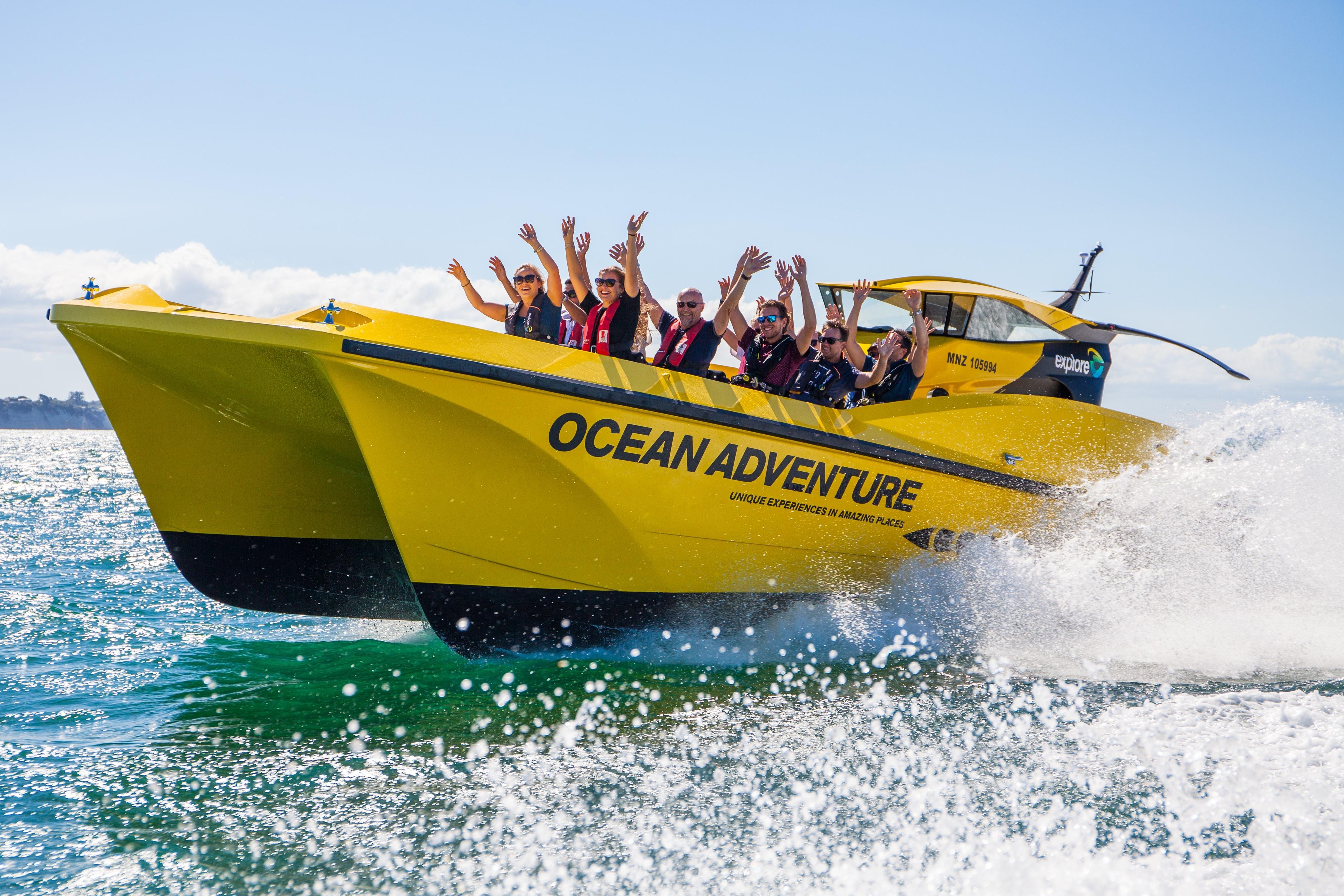
Rocket through turquoise waters to the legendary Hole in the Rock aboard a custom catamaran
3 hours
Free Cancellation
Explore stunning coastal landmarks and pristine island lagoons on this memorable maritime adventure
5 hours 30 minutes
Free Cancellation
Five-hour eco-cruise through protected waters with marine wildlife viewing and island exploration time
1 hour
Free Cancellation
Race across the water on the region's speediest vessel and take in stunning coastal views
13 hours
Free Cancellation
Small-group adventure from Auckland featuring island-hopping, marine wildlife encounters, and the iconic Hole in the Rock
Confirm booking at Maritime Building
Onboard vessel instructions
Wildlife spotting in the Bay
Transit back to Paihia wharf
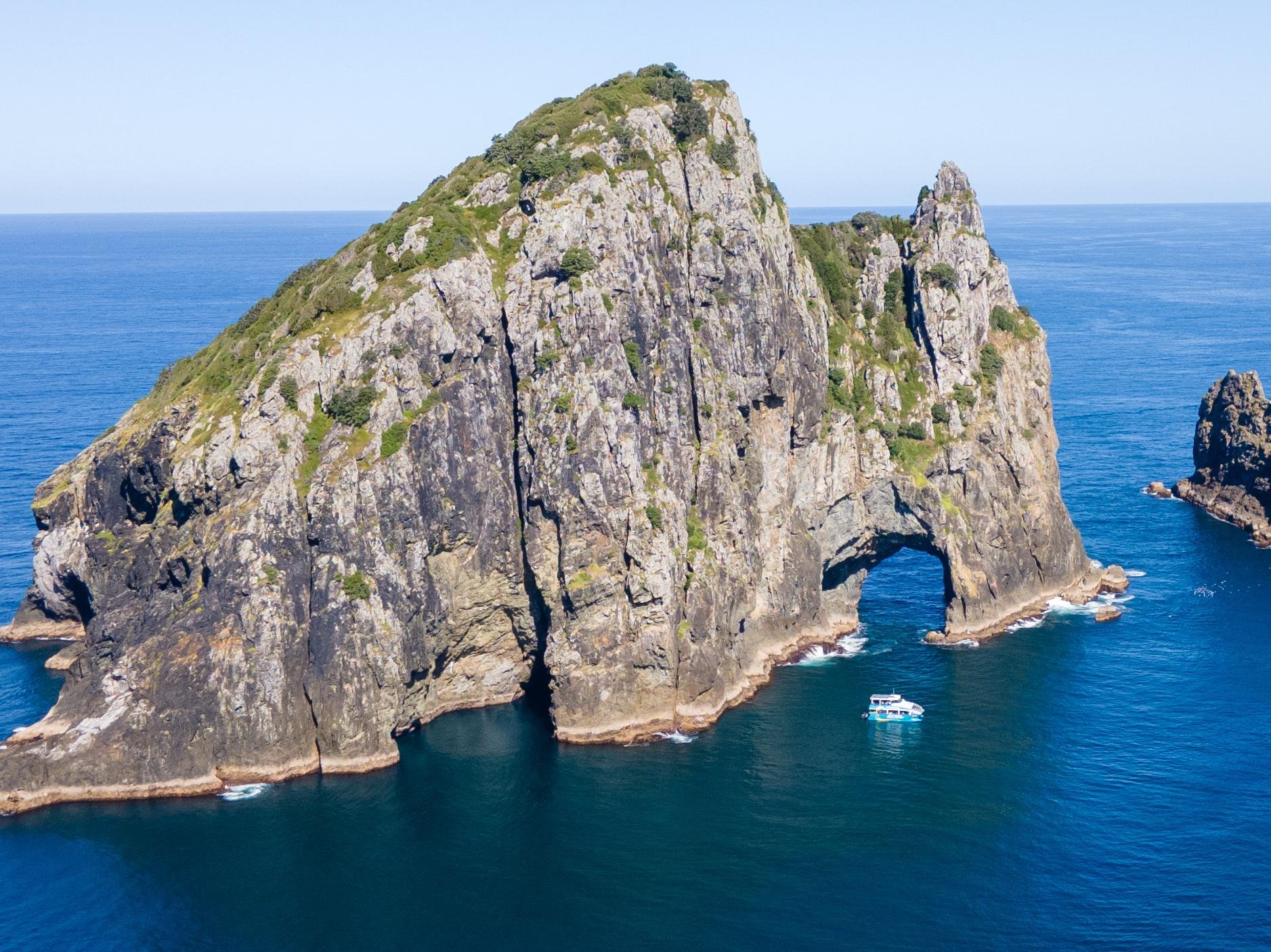
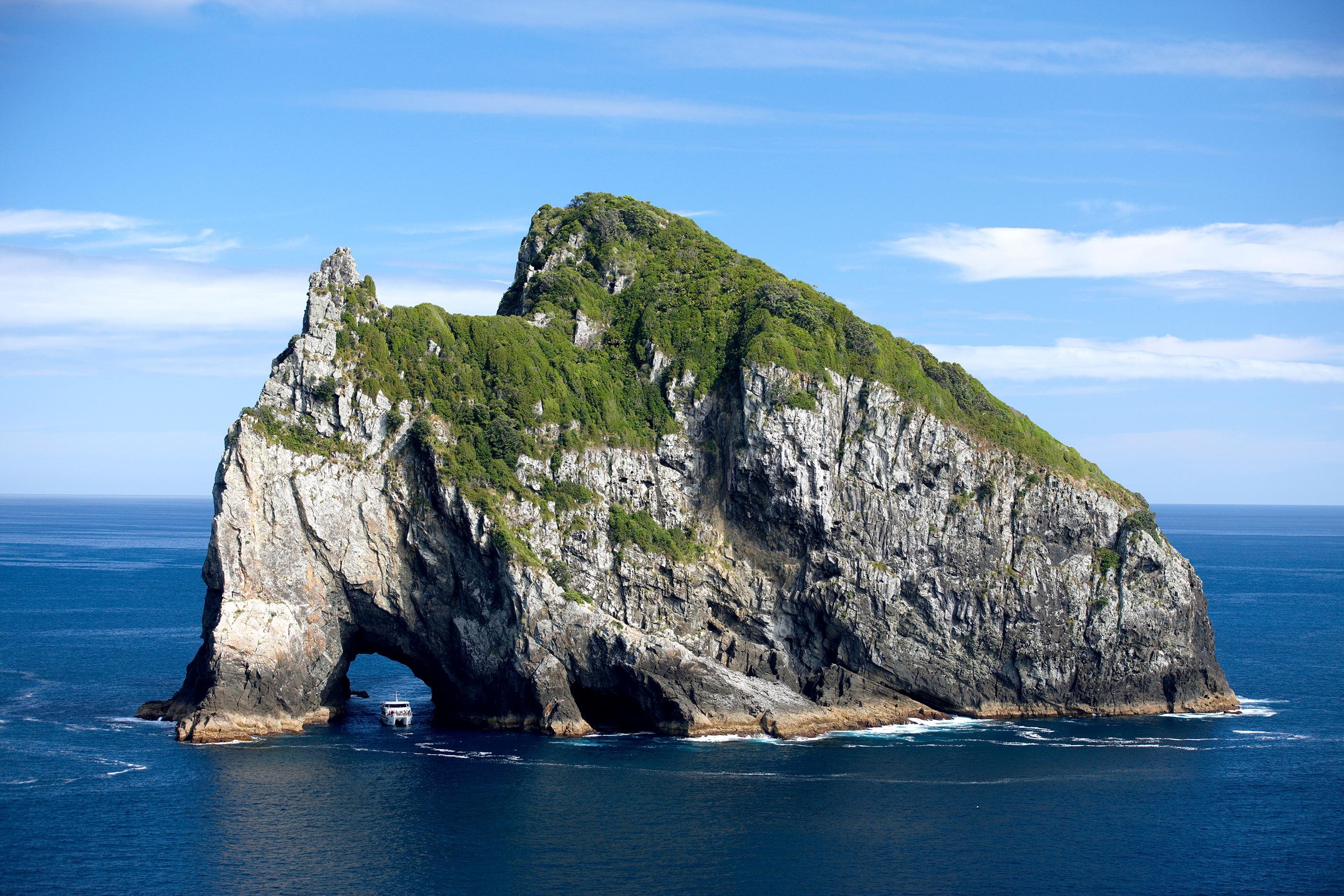
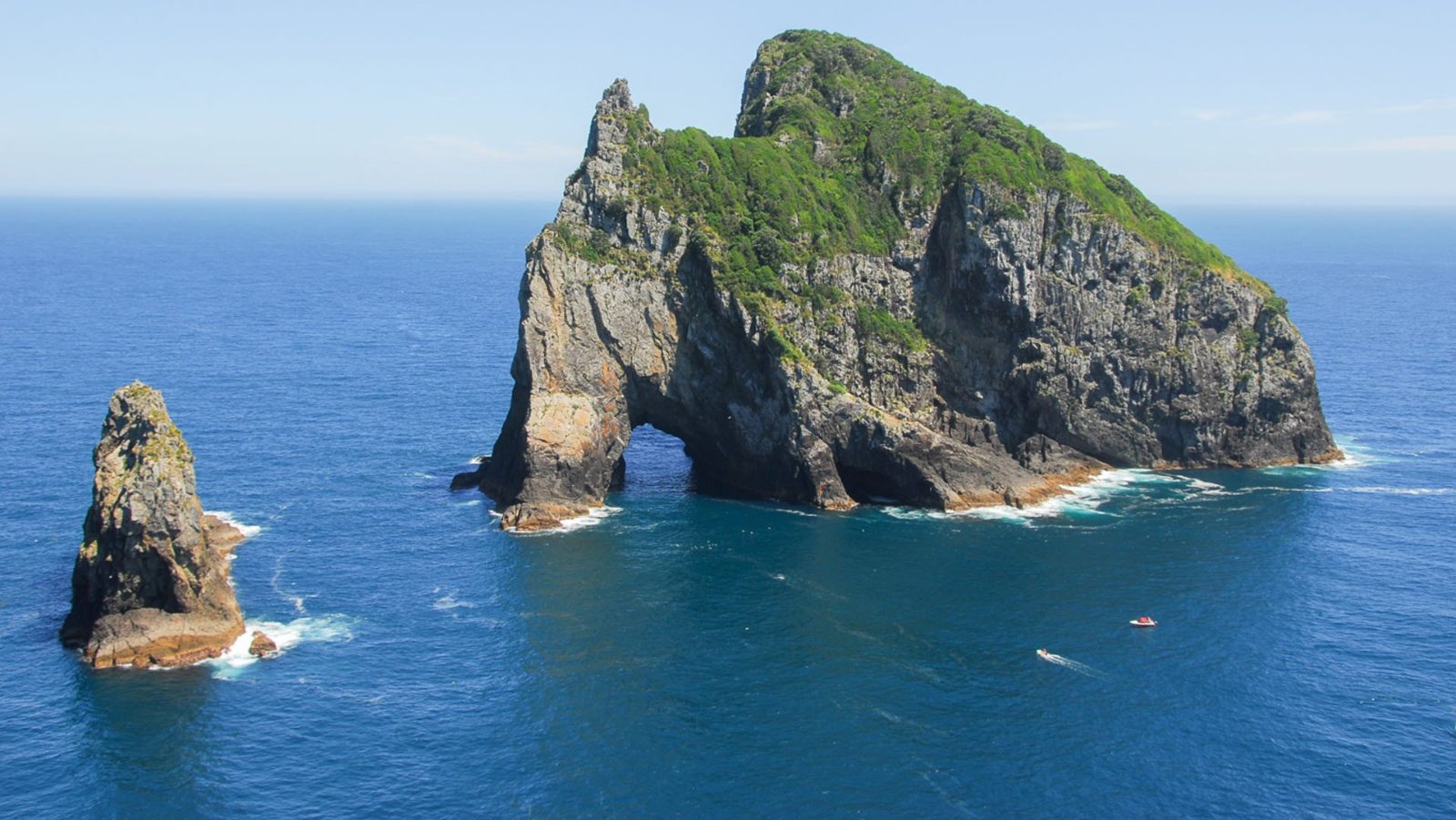
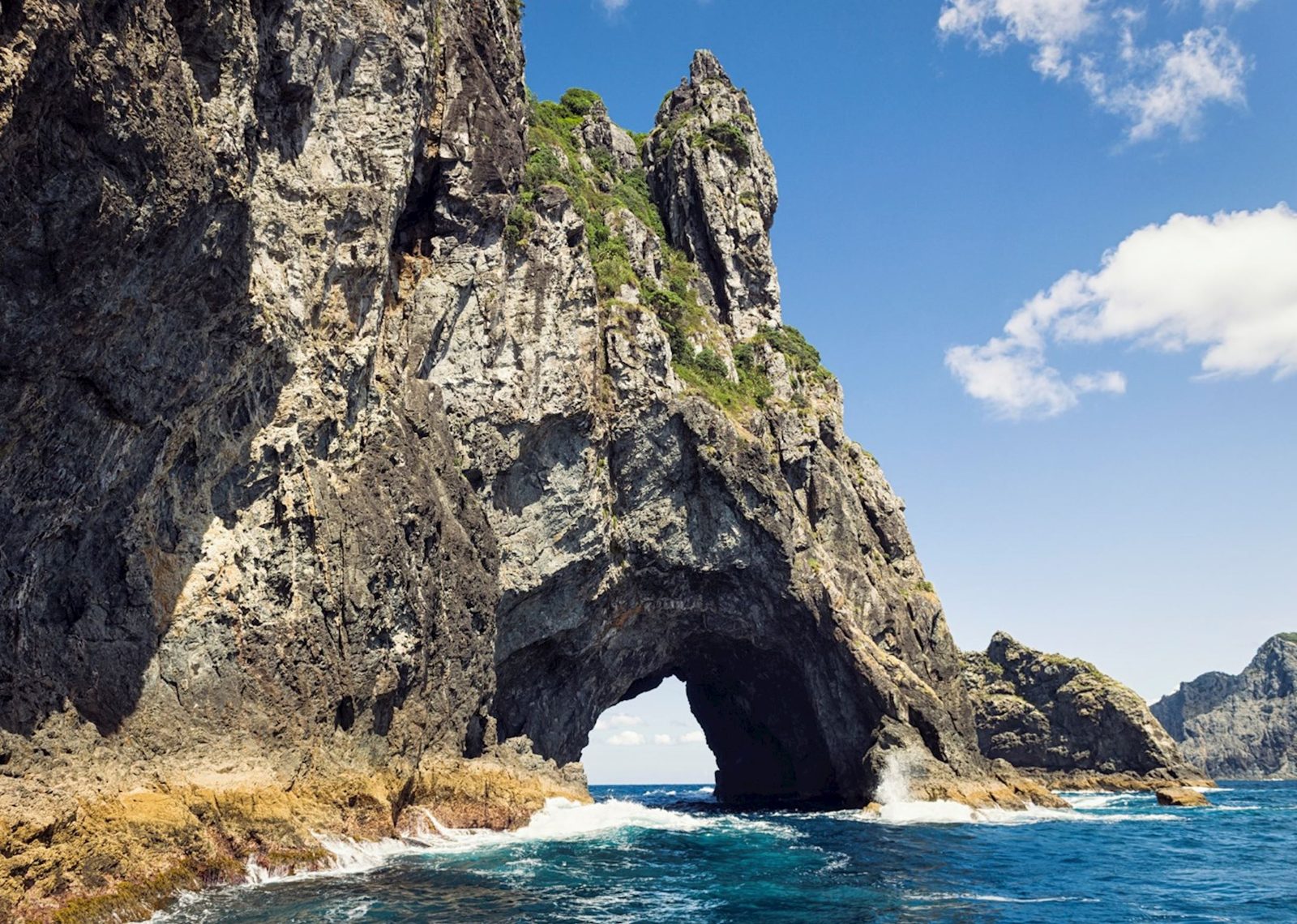
Natural rock archway where boats pass through during the tour.
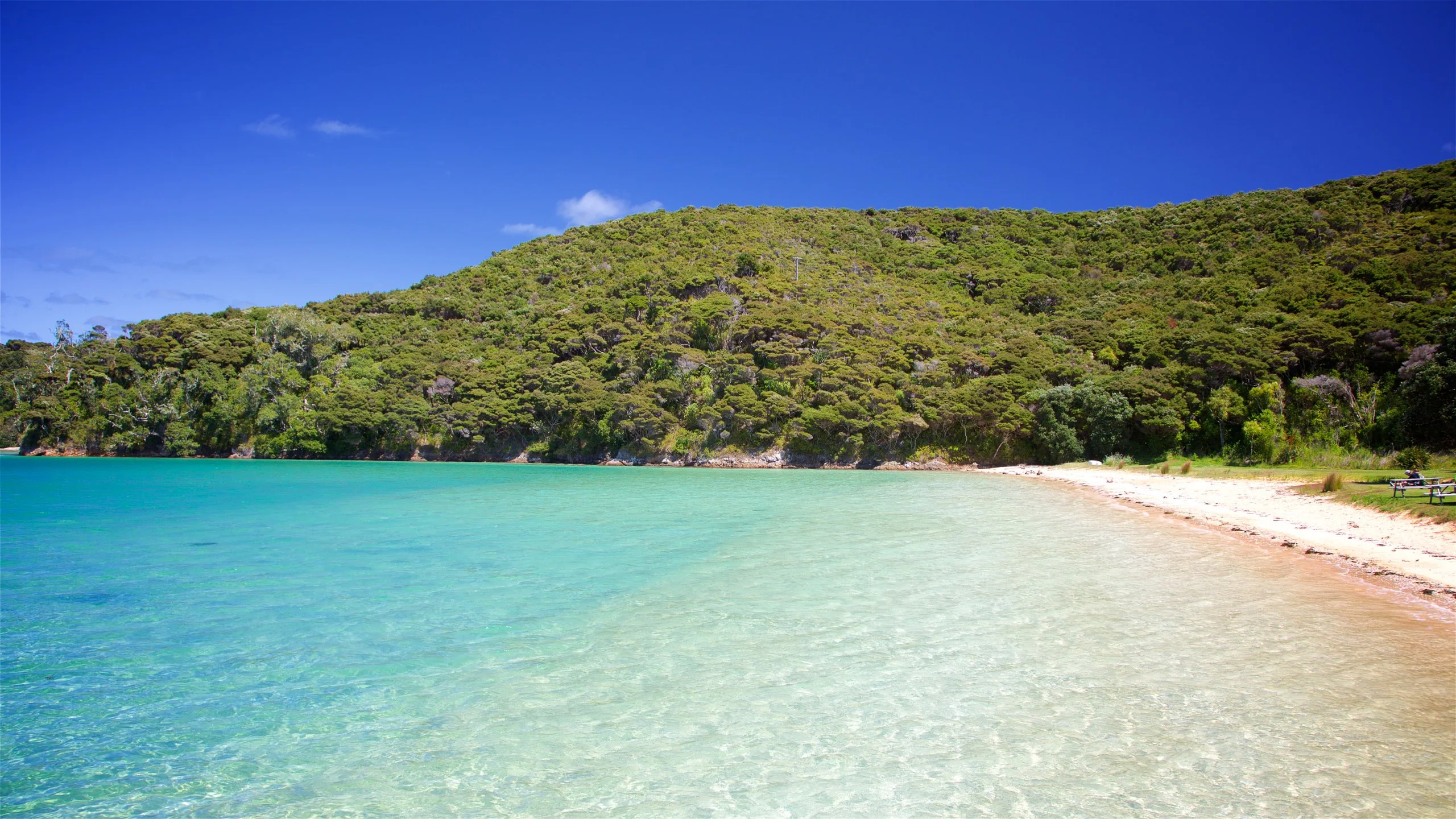
Largest island in the bay with pristine sandy beaches.
Unique volcanic formation famous for coastal birds.
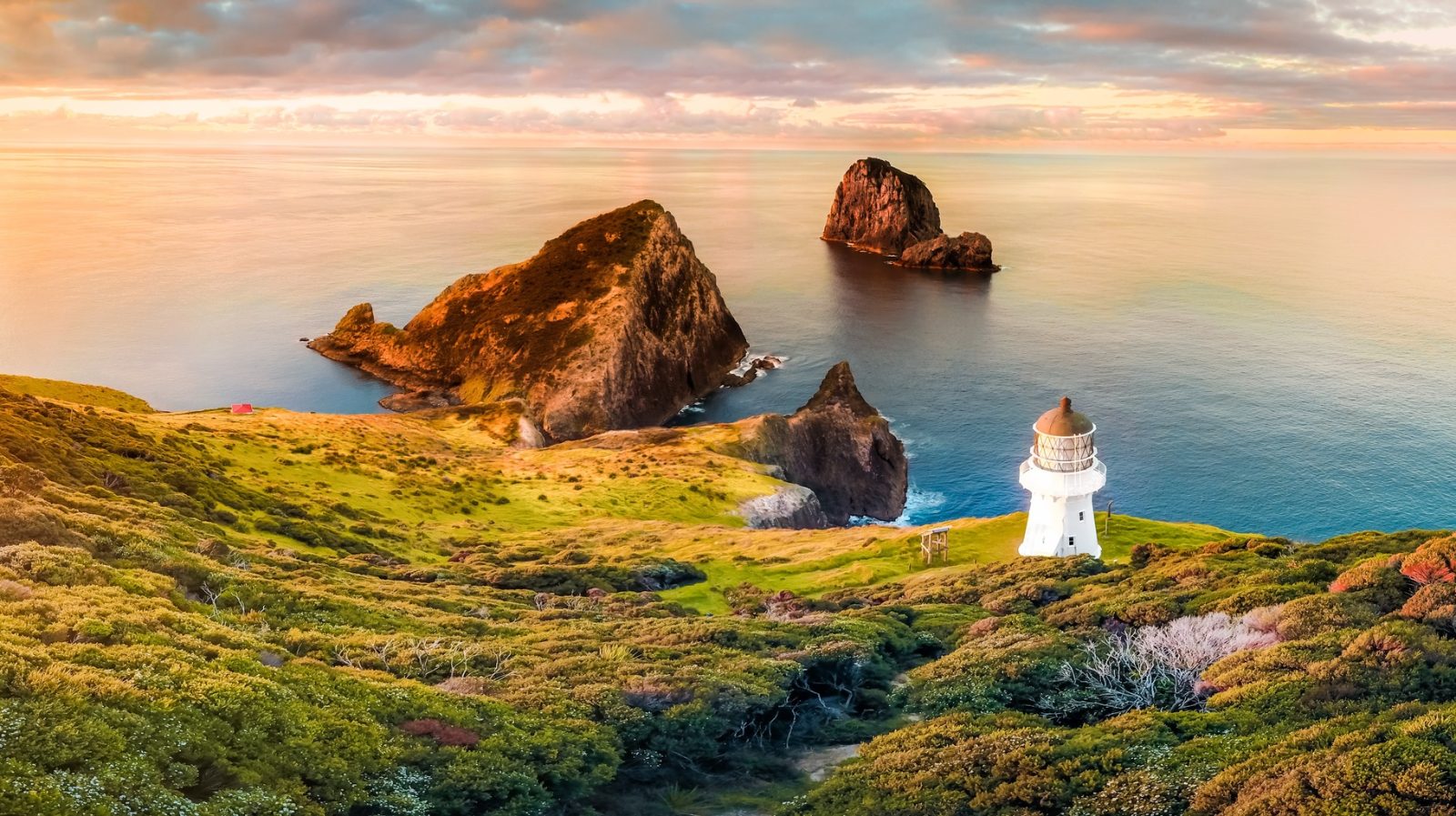
Historical structure marking the entrance to the bay.
Protected waters known for diverse dolphin populations.
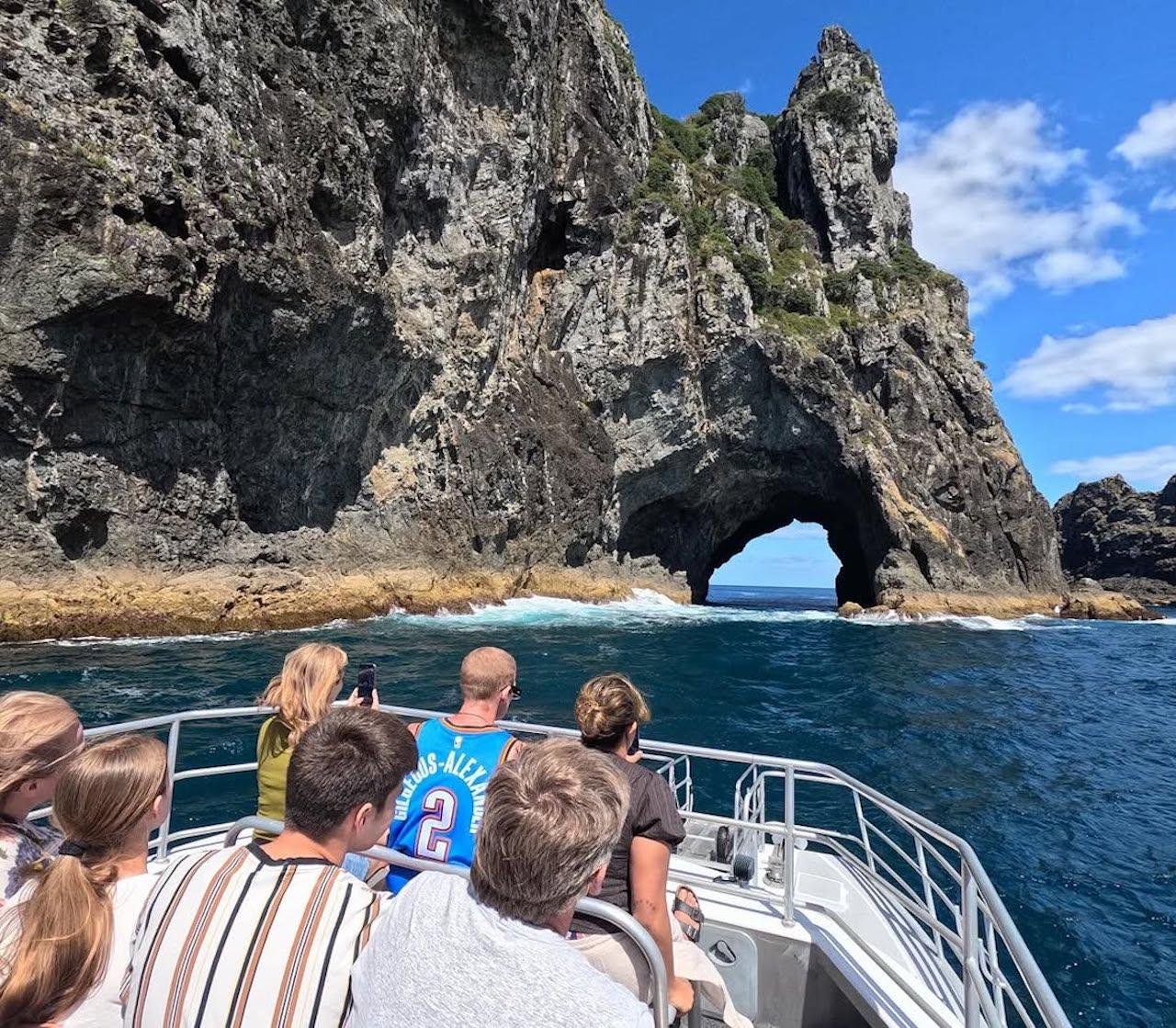
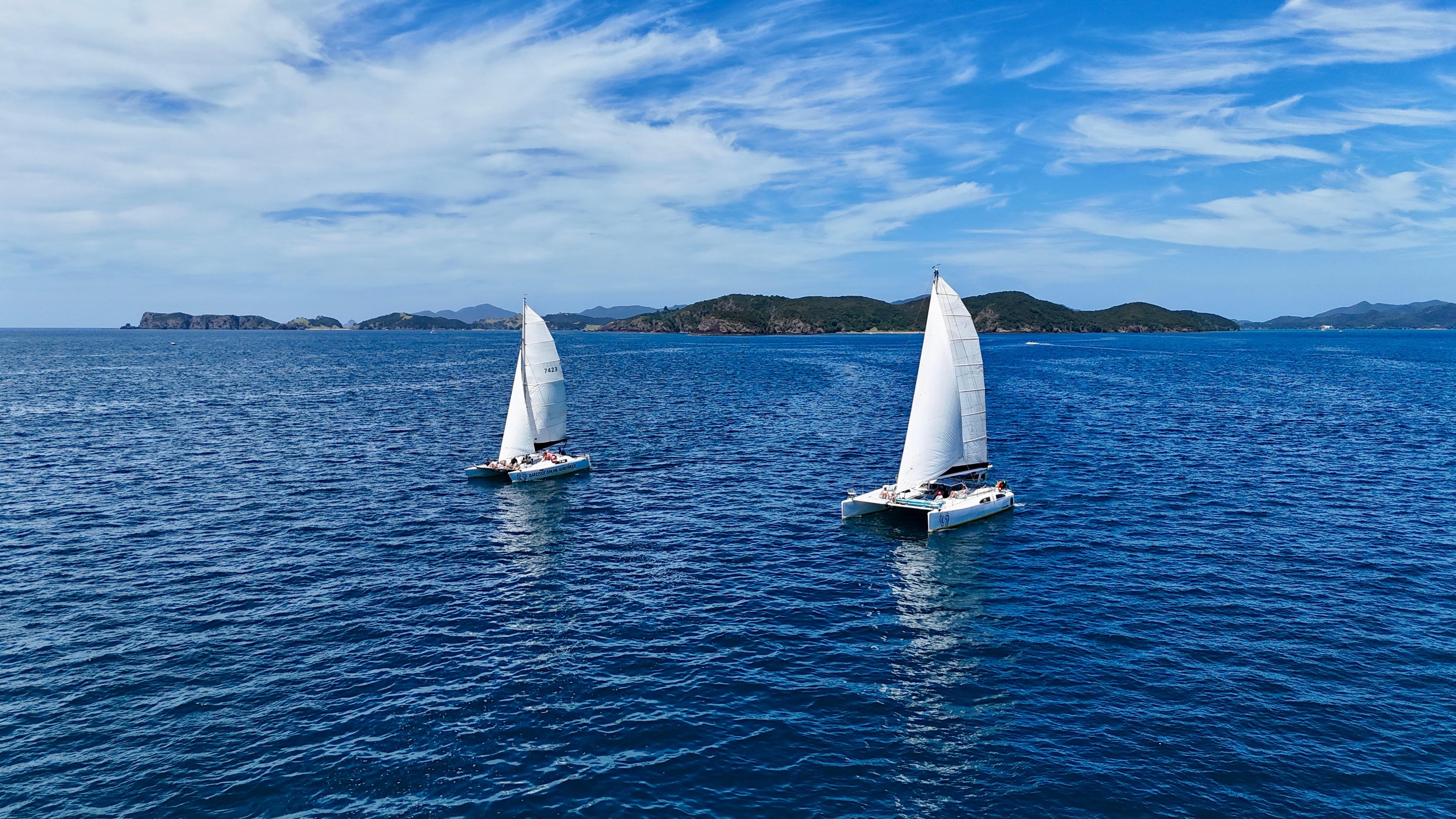
You board at the Maritime Building on Marsden Road at 08:30, stepping onto a twin-hulled catamaran fitted with viewing decks fore and aft. The skipper clears Paihia wharf and throttles up through the Veronica Channel, the boat's wake fanning white against mangrove-lined inlets.
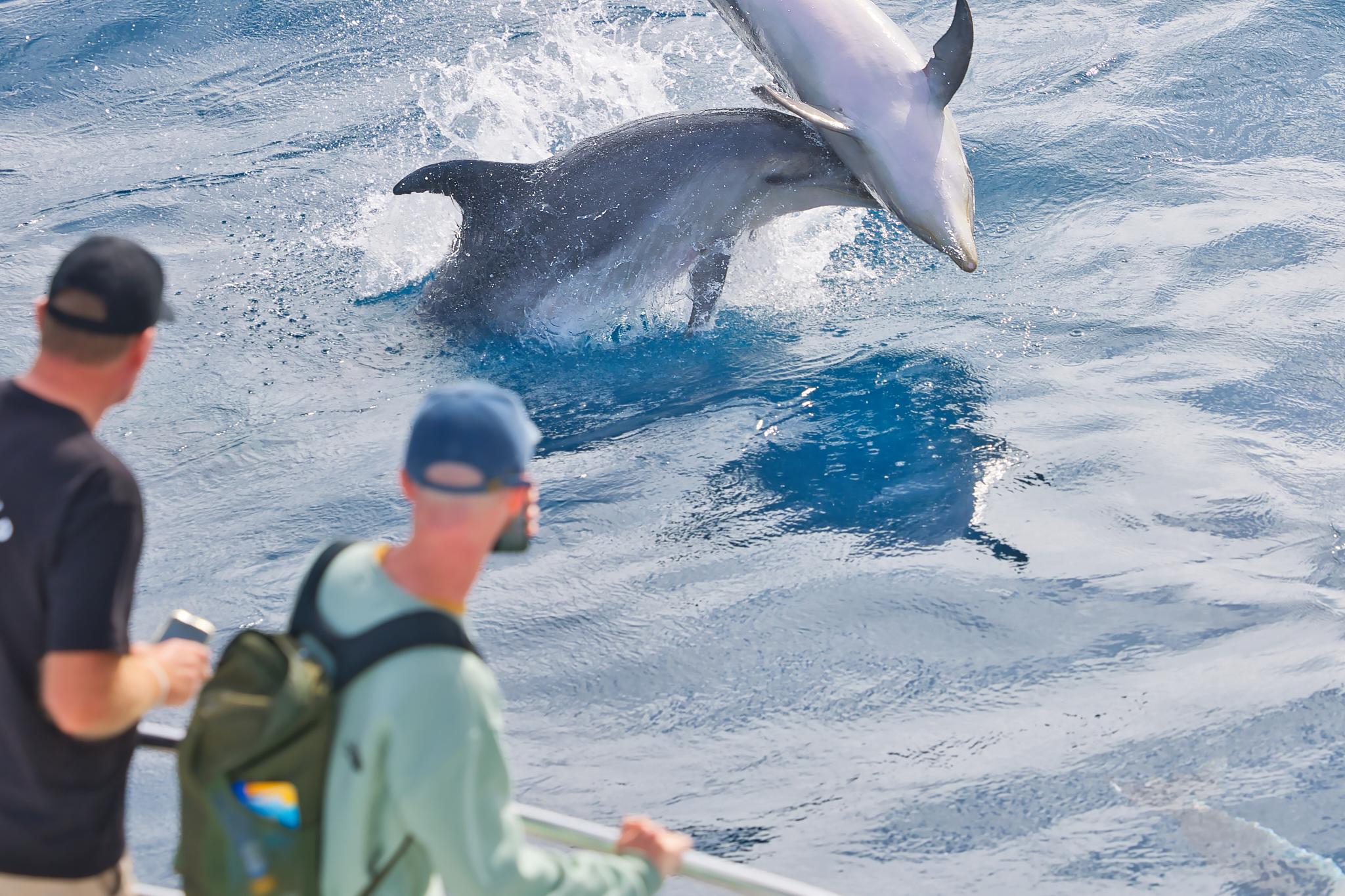
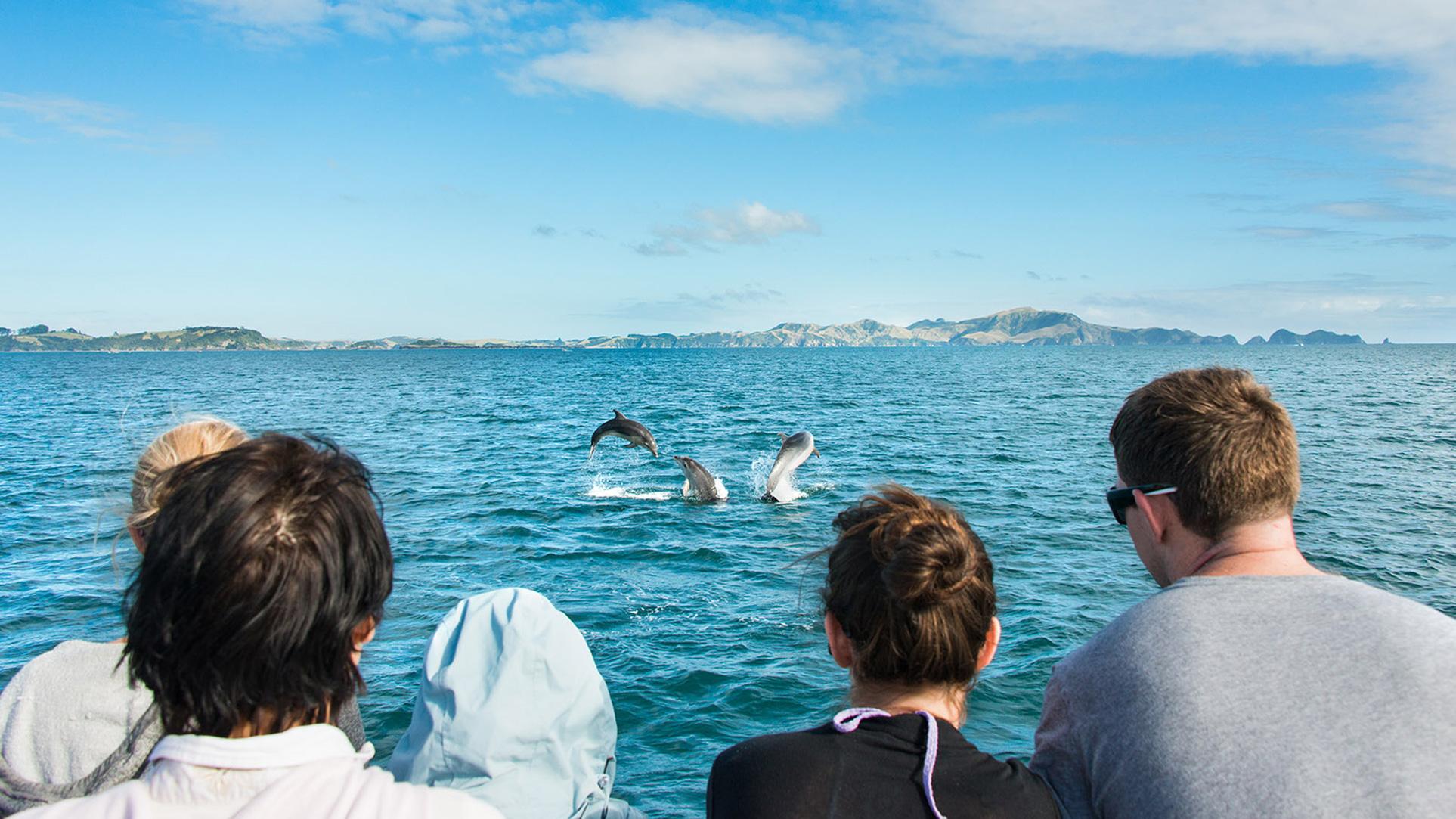
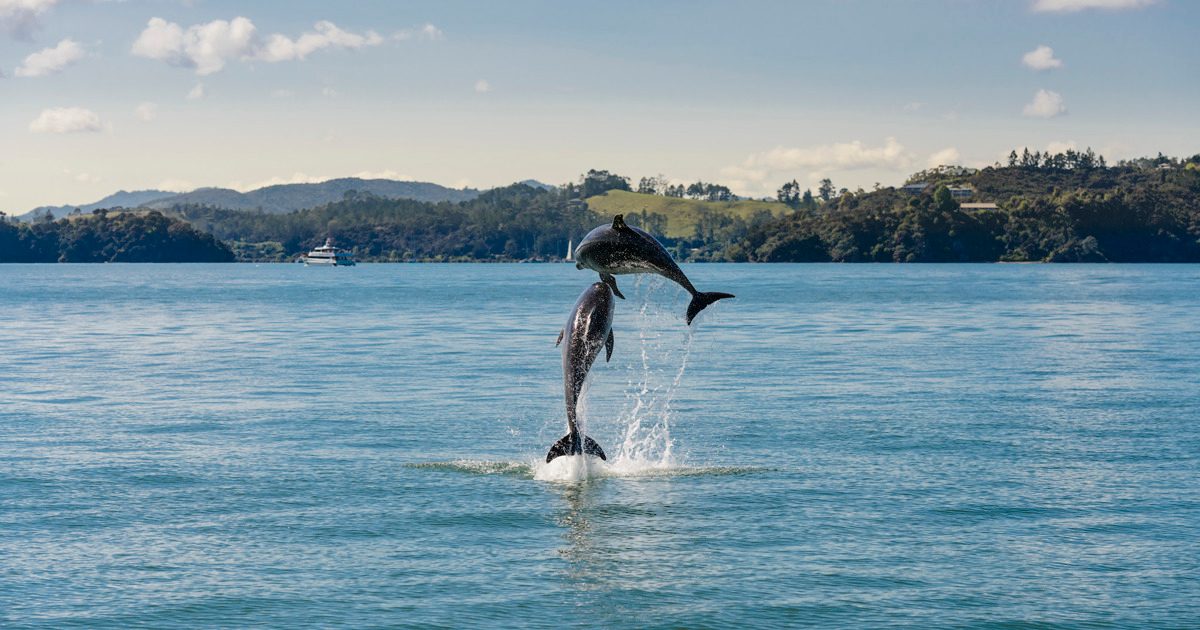
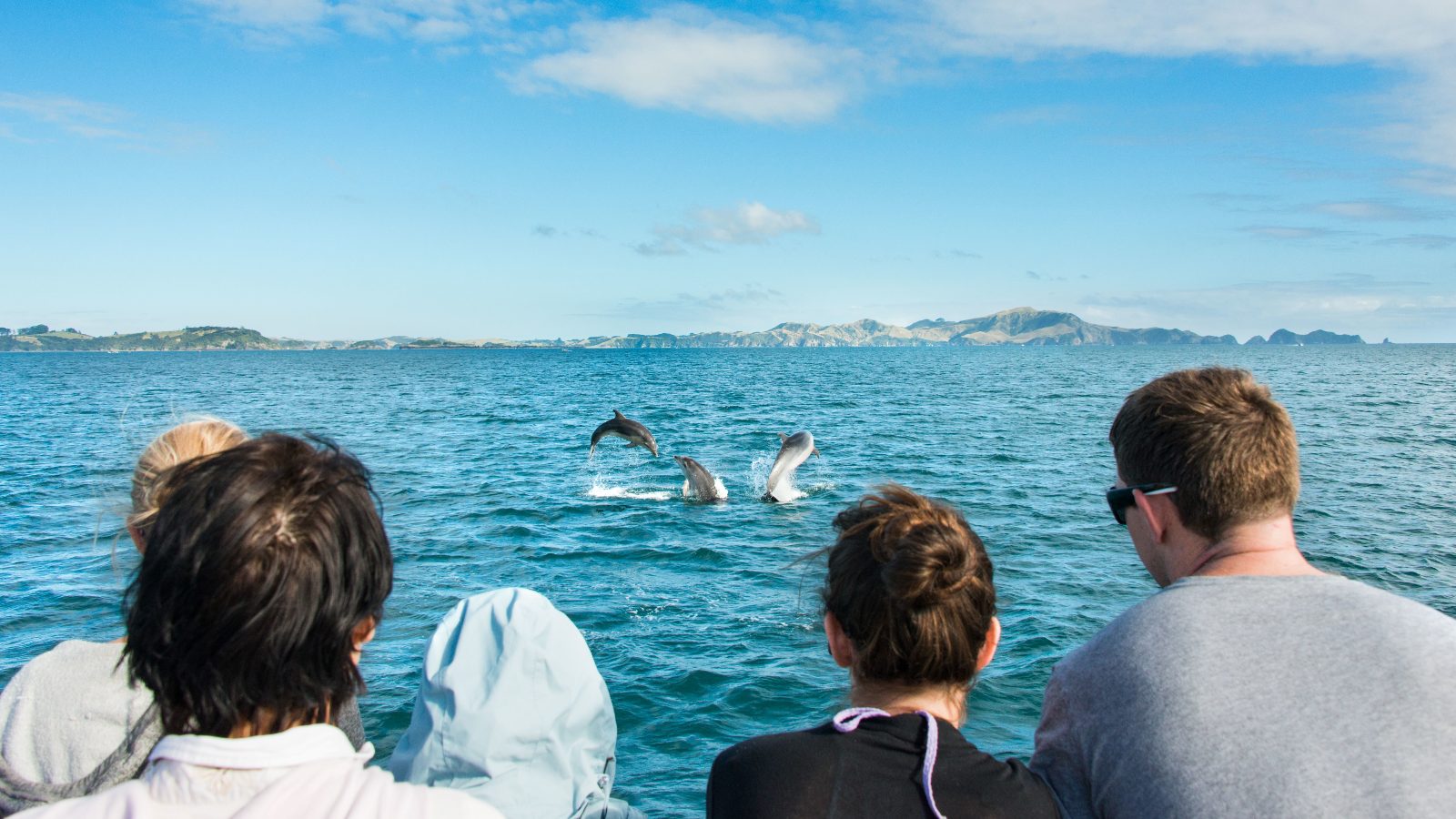
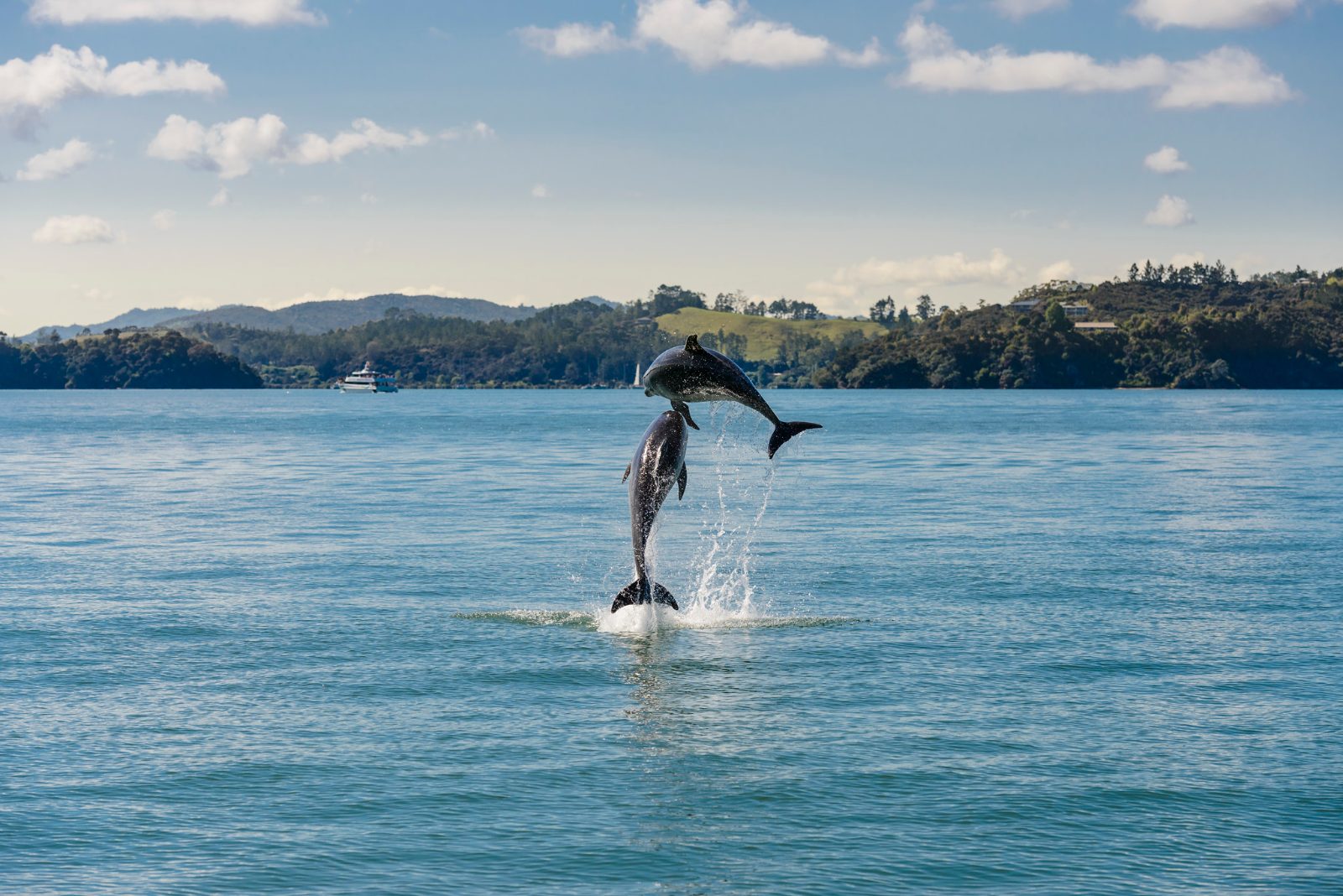
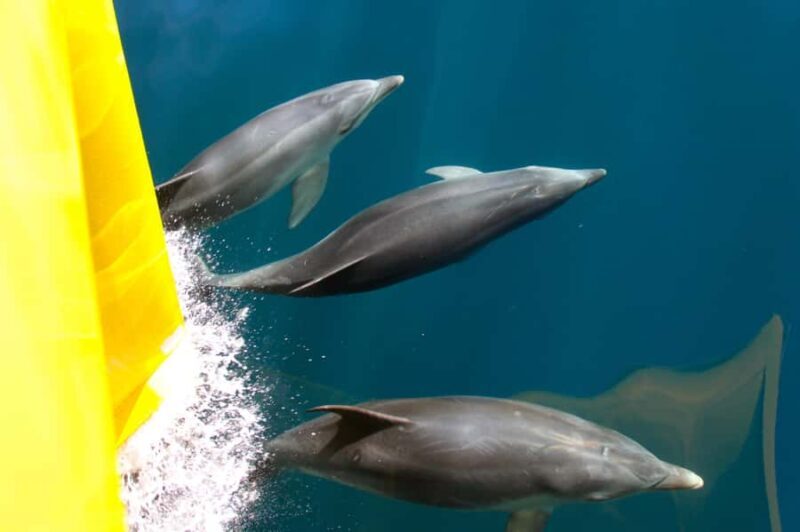
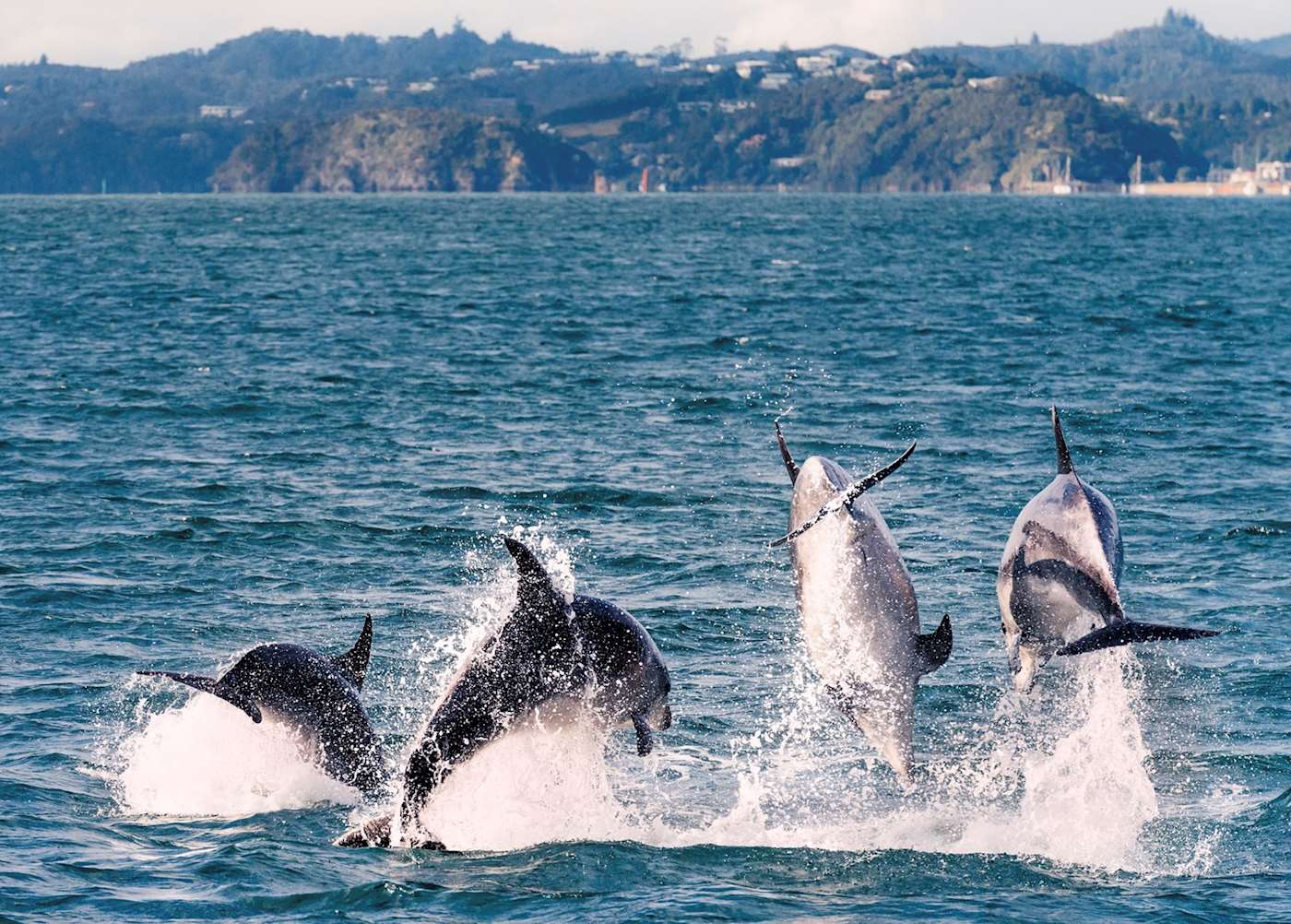
Within fifteen minutes you pass Moturoa Island's pine-covered slopes and the engine note drops — a dolphin pod surfaces fifty metres off the starboard bow, dorsals slicing the surface in coordinated arcs.
The boat idles while a marine biologist lowers a hydrophone over the rail. Through deck speakers you hear the clicks and whistles bottlenose dolphins use for echolocation, each burst mapping prey thirty metres below. The pod circles twice, then dives, and the catamaran resumes course toward Cape Brett. Ahead, the blunt profile of Piercy Island rises from the sea, its basalt cliffs stained orange with lichen.
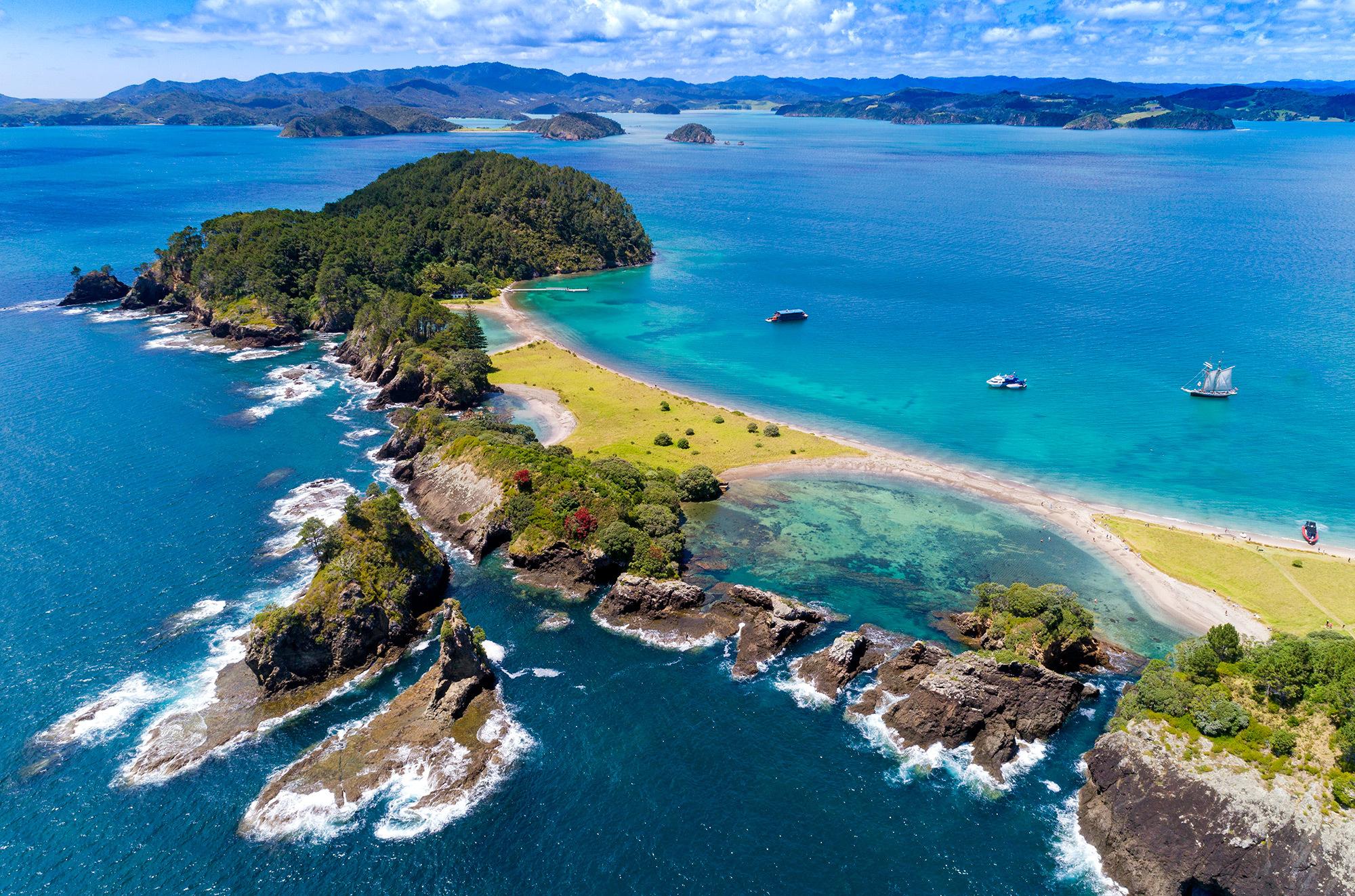
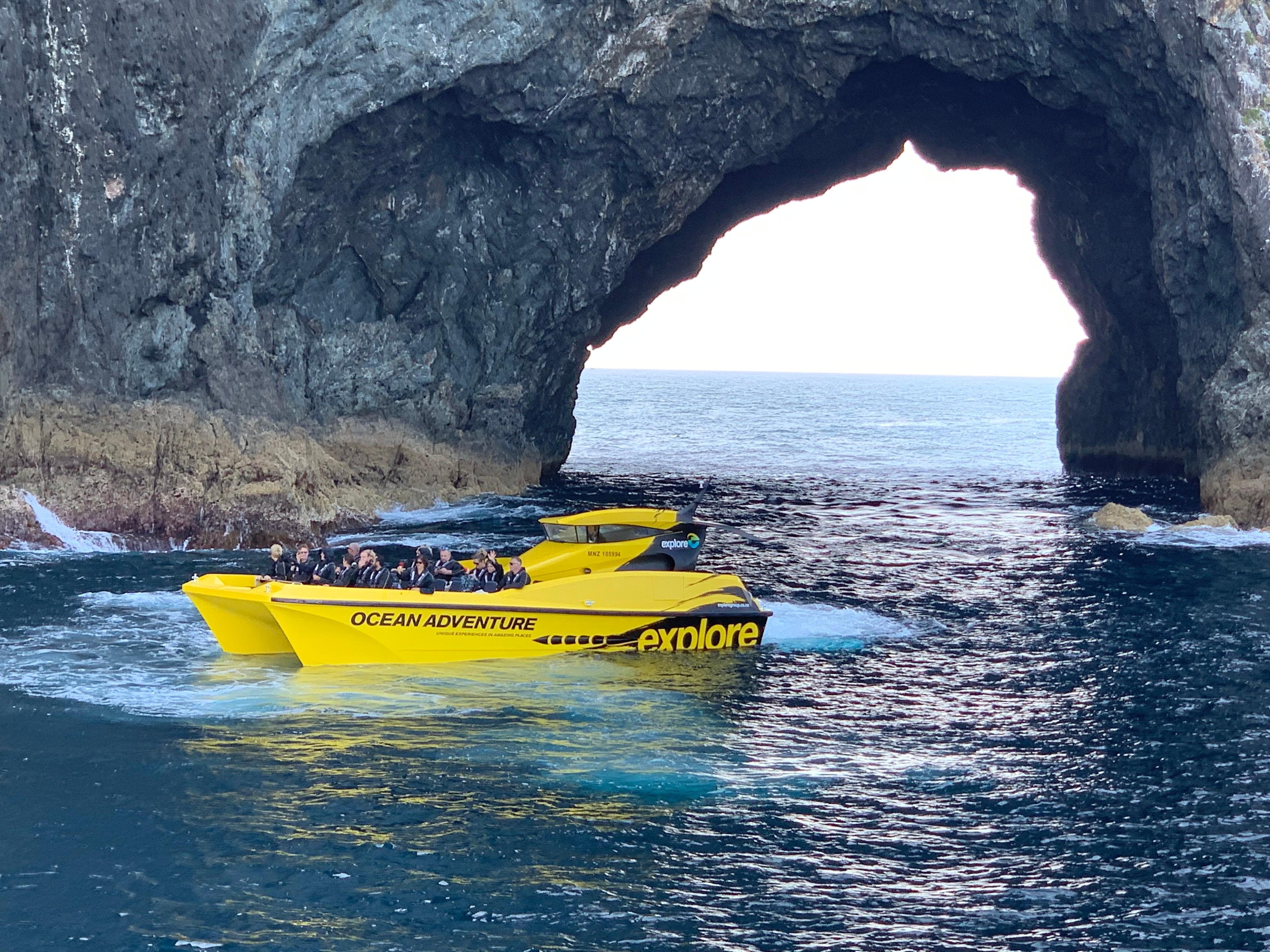
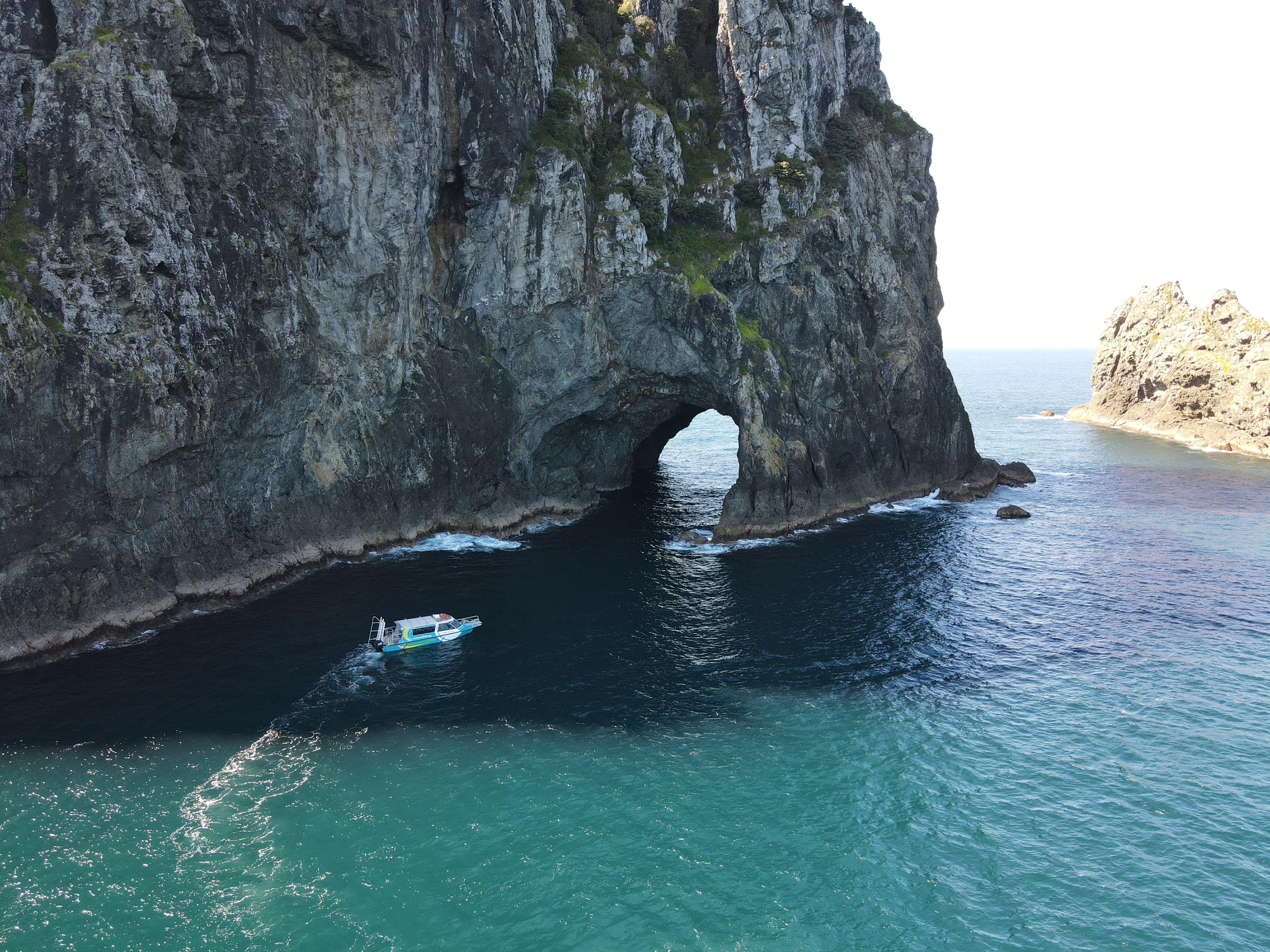
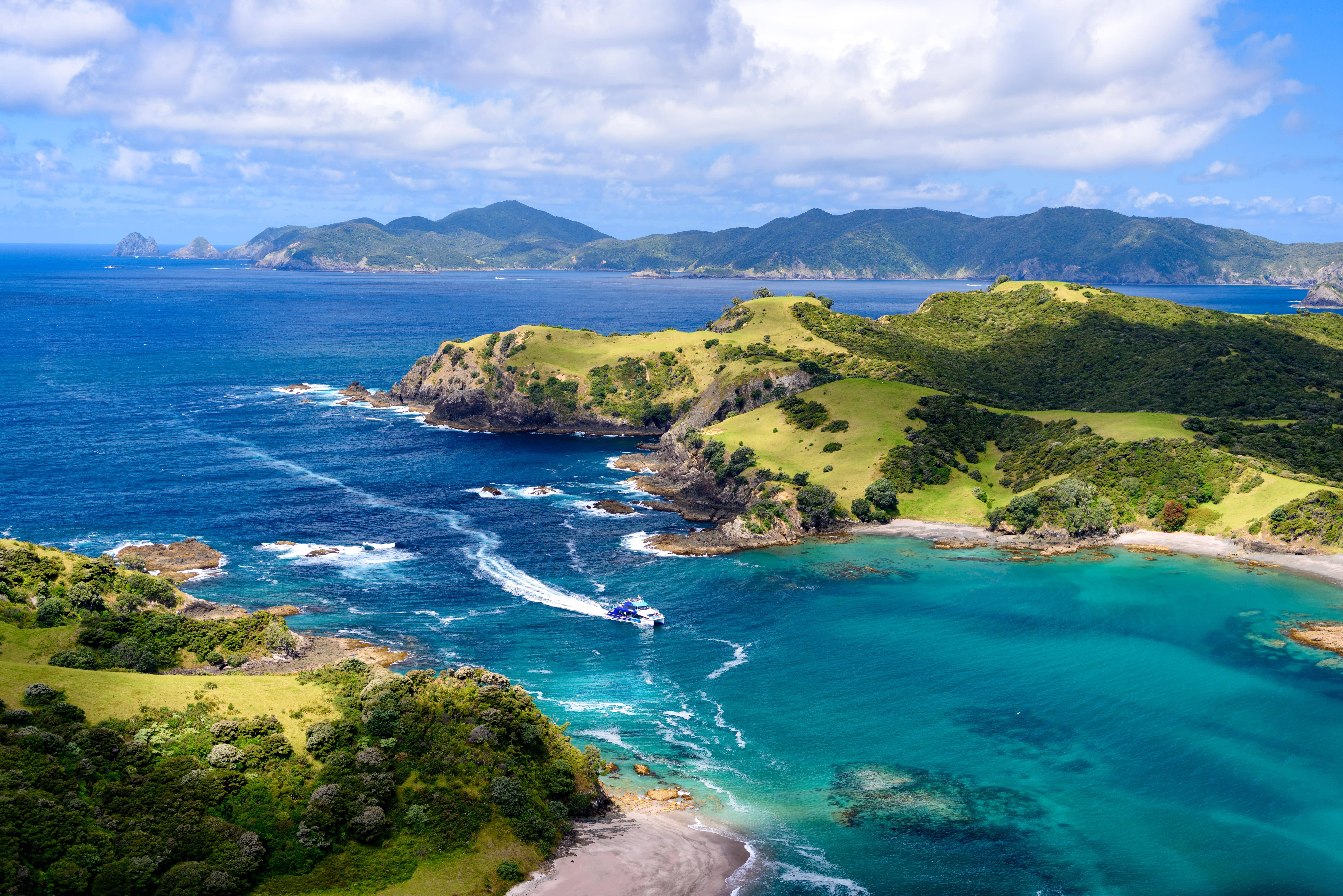
The captain throttles back again at the Hole in the Rock's southern approach. Swells funnel through the fifteen-metre arch, surging and retreating in a rhythmic pulse. If conditions allow, the boat eases forward into the passage, cathedral walls enclosing the deck in shadow for eight seconds before breaking into sunlight on the northern side. You loop back past Roberton Island's crescent beach, where a short landing lets you wade ashore and walk a shell-grit path to a lookout facing the open Pacific.
All the details about your upcoming adventure in one place
The Bay of Islands earned its Māori name Te Pēwhairangi — the place of the penguin — long before European ships charted its 144 islands in 1769.
Captain Cook anchored in these sheltered waters and recorded pods of bottlenose dolphins feeding near Motukokako Island, the volcanic plug now known as Piercy Island or Hole in the Rock. That natural sea arch, carved by millennia of Pacific swells through basalt columns, stands sixty metres above the waterline and remains the signature landmark of every dolphin tour Paihia launches.
Paihia itself emerged as a mission station in 1823, and the wharf at Marsden Road became the region's commercial lifeline by the 1840s. Today that same maritime hub dispatches catamarans carrying hydrophones and marine biologists into the outer islands daily. The resident bottlenose population numbers roughly 140 individuals, identifiable by dorsal notches catalogued since 1997. Winter months see common dolphins migrate through the channel, while orca sightings peak in austral summer when schools of kahawai arrive.
The geological forces that shaped the Bay of Islands began fifteen million years ago when volcanic vents punctured the seafloor, building the Cavalli and Ninepin clusters. Erosion and tectonic subsidence drowned river valleys, leaving the drowned-valley topography visible from every catamaran deck. Ngāpuhi iwi maintained seasonal fishing camps across these islands for five centuries before European contact, and several islands remain tapu — sacred and off-limits to visitors.
Modern dolphin cruises operate under Department of Conservation permits that enforce approach distances and time limits near marine mammals. Boats leaving Paihia thread the Veronica Channel past Moturoa Island, then turn northeast toward Motukiekie and Cape Brett. The Hole in the Rock passage itself measures fifteen metres wide at sea level, navigable only in calm conditions when swells drop below one metre. Return routes often detour to Roberton Island, where a crescent beach fronts a former whaling station active until 1827. The entire circuit covers forty-eight nautical miles, tracing coastlines where Polynesian navigators first landed eight hundred years ago and where Cook's naturalists sketched the region's endemic species in ink and watercolour.

Captain Cook recorded pods of bottlenose dolphins feeding near Motukokako Island in 1769, the volcanic plug now known as Hole in the Rock.
Wear warm, windproof layers and non-slip footwear suitable for a marine environment. Sun protection, including hats and sunglasses, is highly recommended for any dolphin tour paihia.
Only small personal bags are permitted on board due to limited storage space. Staff may request to inspect items prior to boarding for safety reasons.
Photography is encouraged on this dolphin tour paihia. Please ensure lenses are protected from salt spray and keep equipment secure while the vessel is in motion.
Children must be accompanied by an adult at all times during the dolphin tour paihia. Life jackets are provided in various sizes for younger passengers.
The vessel boarding process for a dolphin tour paihia may involve steps or ramps. Please notify the operator in advance to discuss mobility requirements.
Passengers may bring water and light snacks on the dolphin tour paihia. Consumption of alcohol is prohibited while on board.
Opening Hours
07:00–16:30
Address
Maritime Building, 69 Marsden Road, Paihia 0200, New Zealand
Accessibility
Vessel access subject to tide and weather
Arrival
08:30–14:00 optimal window
Storage
Limited space available on board
Location
Bay of Islands waterfront
Car · N/A · Paid parking available
Follow Highway 11 to Marsden Road parking
Public transport · N/A · Variable
InterCity bus stops centrally in Paihia
Cancellations made within 24 hours of departure are non-refundable. All bookings are subject to the 170 NZD per adult standard fee.
Recommended time
Half a day
A dolphin tour paihia allows you to explore the marine environment of the Bay of Islands, with cruises typically requiring a half-day commitment to account for travel to the Hole in the Rock. Securing your dolphin tour paihia tickets early ensures a spot on the boat, while checking in at the Maritime Building on Marsden Road 30 minutes prior helps you avoid queues. Planning for this duration provides sufficient buffer for wildlife observation, though you should arrive during the optimal window to maximize your chances of spotting pods in their natural habitat. Travelers booking a dolphin tour paihia tour should anticipate a few hours on the water as the vessel navigates coastal landmarks and protected waters.
Crowd levels through the day
Weather · crowds · average price — dots go green to amber to red as each metric rises.
Mild temperatures; ideal for spotting calves during this dolphin tour paihia.
Warmest weather; best for coastal visibility and high activity levels.
Fewer crowds; stable sea conditions often persist.
Cooler temperatures; sightings remain frequent in protected bays.
Secure your spot on a dolphin tour paihia during peak summer months.
Marine conditions change quickly; verify status before your trip.
Ocean breezes remain cool even on sunny days.
Carry water to avoid dehydration during longer excursions.
Follow crew instructions regarding distance from wildlife.
The waters around Paihia have hosted Māori navigators and fishermen for over 700 years, long before European contact transformed the Bay of Islands into a hub of commerce and conflict. By the early 1800s, Russell—visible across the bay—had become New Zealand's first capital and a rowdy port for whalers and sealers. Paihia itself emerged as a mission station in 1823 when Reverend Henry Williams established the Church Missionary Society's northern base, bringing agriculture and Christianity to a region already thick with inter-tribal politics. The Treaty of Waitangi, signed just five kilometres north in 1840, made the Bay the symbolic birthplace of modern New Zealand, anchoring Paihia's identity to national memory. Commercial dolphin tour paihia operations began in the mid-1980s, following decades of recreational fishing charters that had mapped the Bay's channels and identified resident bottlenose dolphin pods near the Hole in the Rock. Early tours used converted fishing vessels with limited passenger capacity, targeting daytrippers from Auckland and cruise-ship passengers docking at Russell. The industry expanded sharply after 1991, when the Department of Conservation formalised marine mammal interaction guidelines and restricted vessel approach distances to 50 metres. Operators adapted by investing in purpose-built catamarans with hydrophones and elevated viewing decks, transforming dolphin tour paihia tours from opportunistic sightings into structured wildlife experiences. By the 2000s, increased visitor numbers prompted stricter permitting and the introduction of swim-with-dolphin protocols that required certified guides and wetsuit provision. The 2016 establishment of the Bay of Islands Marine Mammal Sanctuary reinforced protection for the resident bottlenose population, estimated at 120 individuals. Today's dolphin tour paihia tickets include access to the outer islands and the iconic Hole in the Rock, a natural archway carved by millennia of tidal erosion. The Maritime Building on Marsden Road, Paihia's primary departure point since the 1990s, remains the operational heart of the Bay's marine tourism industry.
Māori establish seasonal fishing camps and navigation routes through the Bay of Islands' 144 islands.
Reverend Henry Williams founds Paihia mission station, introducing European settlement to the eastern bay shore.
Treaty of Waitangi signed five kilometres north, cementing the Bay's role in New Zealand's constitutional history.
First commercial dolphin-watching tours launch from Paihia using converted fishing vessels.
Department of Conservation formalises marine mammal approach regulations, setting 50-metre vessel distance limits.
Purpose-built catamarans with hydrophones and swim platforms replace earlier charter boats.
Bay of Islands Marine Mammal Sanctuary established to protect resident bottlenose dolphin population.
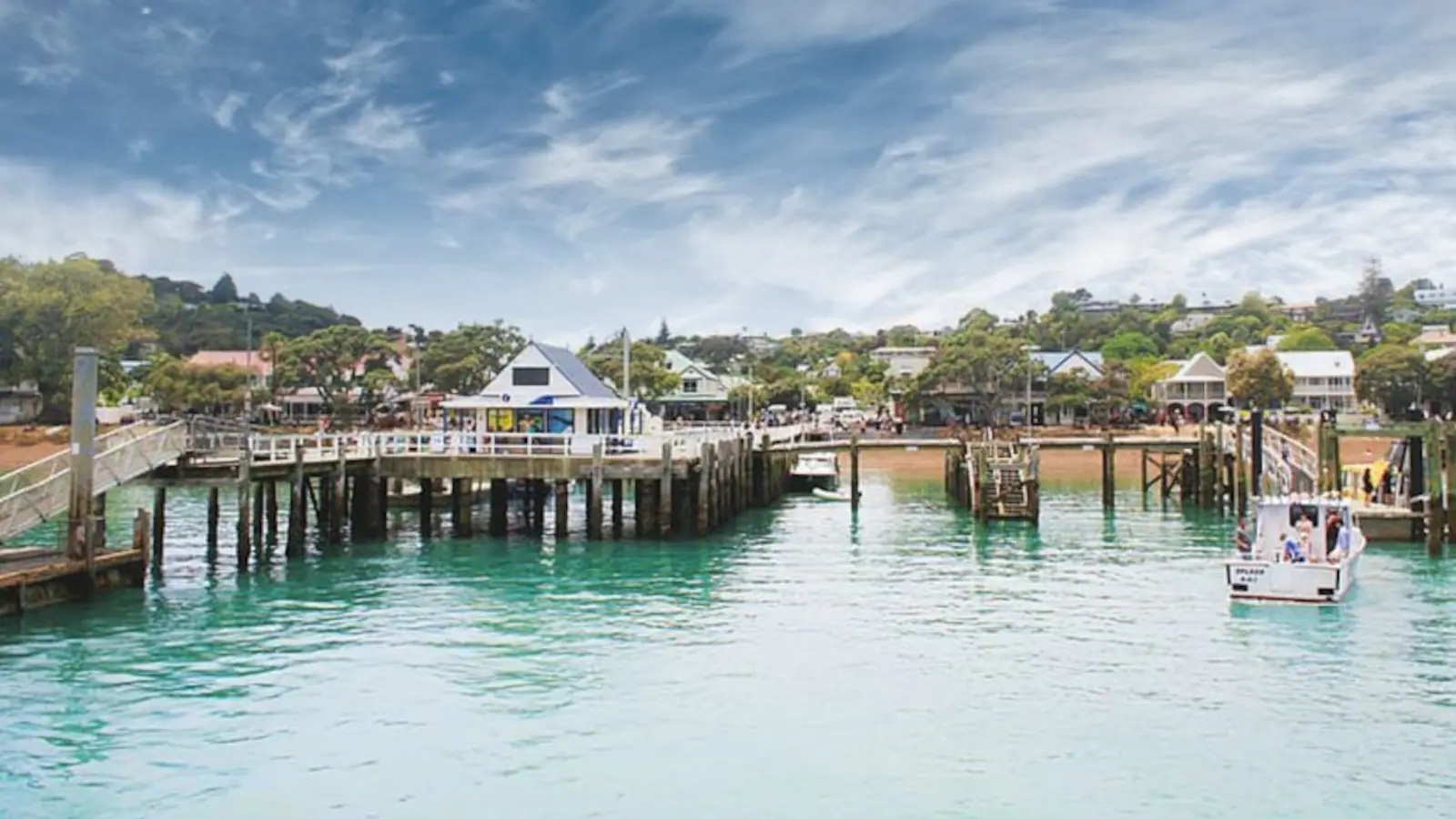
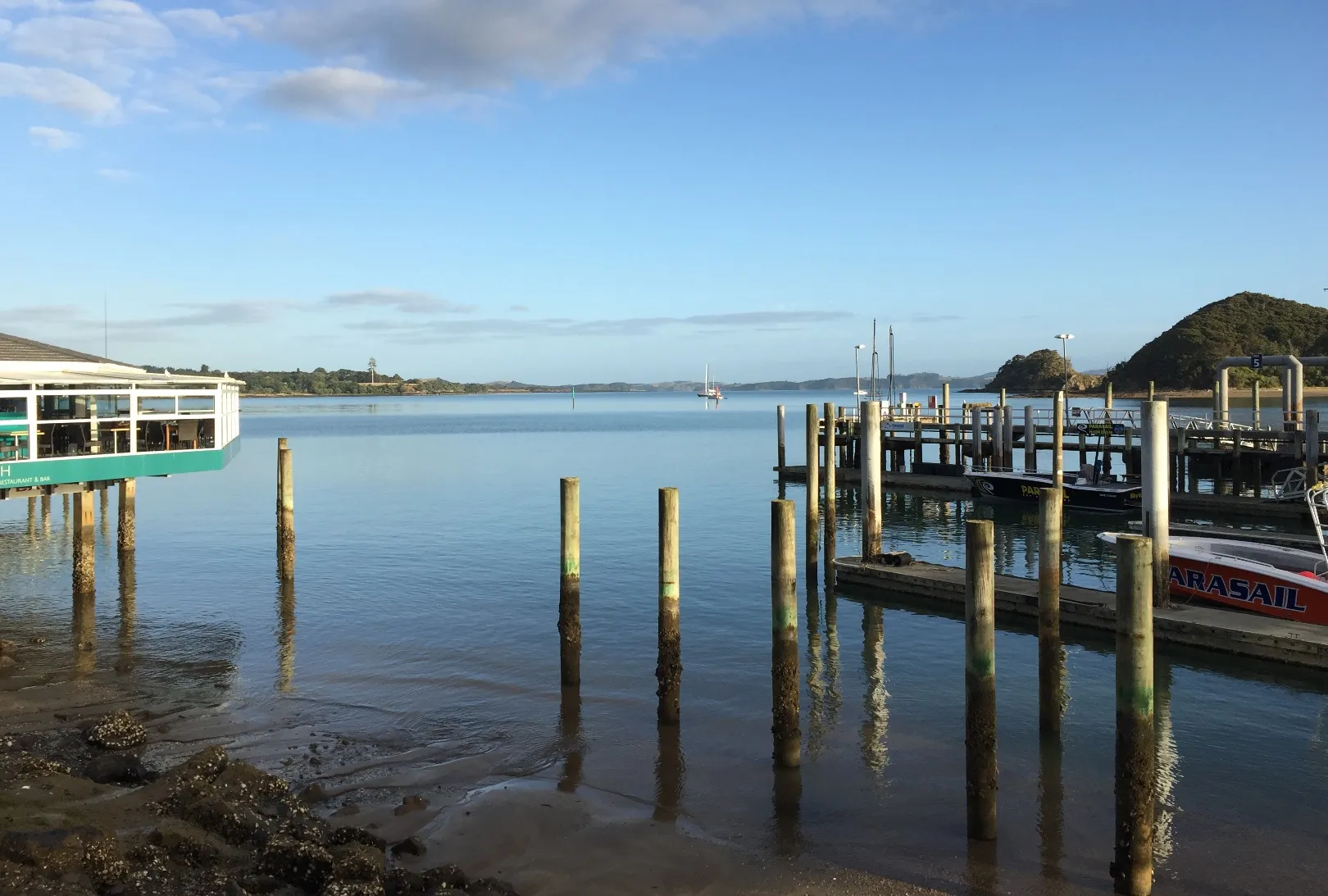
Stand near the entrance at 69 Marsden Road to capture the vessels moored against the calm harbor backdrop. This is the primary meeting point for those holding dolphin tour paihia tickets.
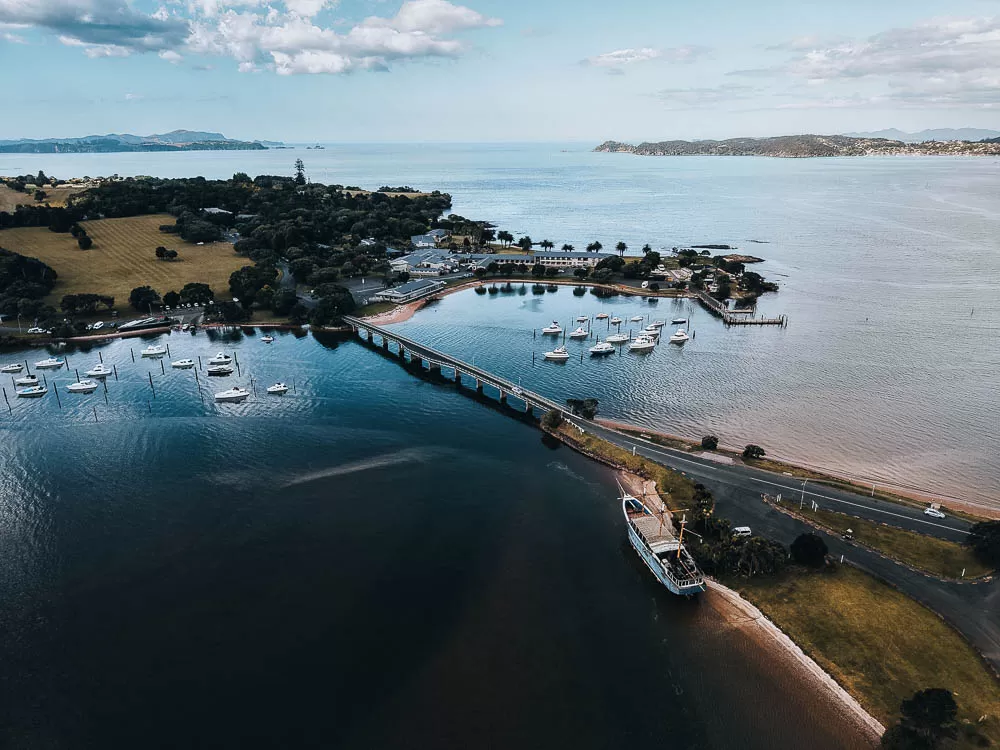
Position yourself on the pedestrian walkway for an elevated perspective of the bay. It provides a vantage point to photograph boats departing for a dolphin tour paihia tour.
Walk to the very edge of the main wharf to photograph the expanse of the Bay of Islands. This spot offers clear lines of sight to marine craft and the horizon before starting your dolphin tour paihia tours.
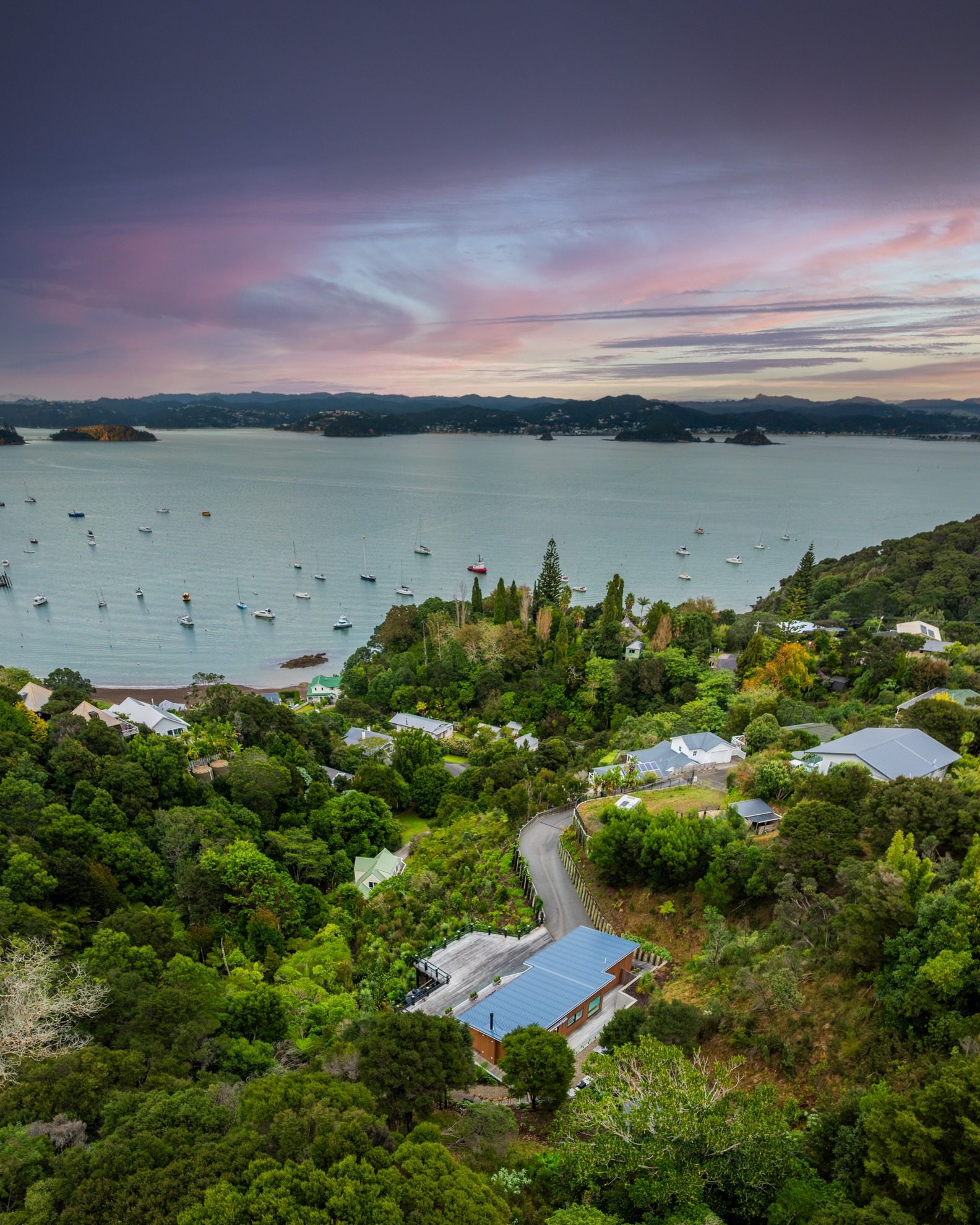
Climb the trail to the summit for a panoramic view of the coastline and the maritime activity below. This location serves as an excellent reference point for the island clusters navigated by local marine wildlife cruises.
Exploring the marine life of the Bay of Islands on a dolphin tour paihia provides families with a front-row seat to local wildlife. Managing the day effectively helps ensure that both children and adults enjoy their time on the water.
This activity is well-suited for school-aged children who can follow safety instructions and remain seated while the boat is in motion. Bringing younger toddlers requires extra vigilance, as the open-sea environment can be unpredictable.
Plan your arrival within the 08:30–14:00 window to secure the best spots for these dolphin tour paihia tours. Consistent movement helps younger guests stay engaged during the voyage through the maritime park.
The Maritime Building at 69 Marsden Road, Paihia 0200, New Zealand, serves as the central hub for your dolphin tour paihia tickets. While on board, confirm with crew members regarding available restrooms and interior cabin space to retreat from the sun or wind.
Younger travelers should wear provided life jackets throughout the duration of the excursion. Crew members will provide a briefing regarding wildlife interaction and vessel safety at the start of your dolphin tour paihia tour.
Visitors embarking on a dolphin tour paihia can find a variety of dining options along Marsden Road, situated just steps from the maritime terminal. These local eateries provide convenient meals for those securing their dolphin tour paihia tickets or waiting for scheduled departures.
Located at the end of the wharf, this spot offers panoramic ocean views and wood-fired pizzas. It is a popular choice for a relaxed meal after finishing your dolphin tour paihia tour.
Everything you need to know for your journey
The entrance fee is 170 NZD per adult for the Dolphin Cruise.
The office operates daily from 07:00–16:30 for inquiries.
Yes, you may bring small snacks and water on board the dolphin tour paihia vessel.
Yes, children are welcome on a dolphin tour paihia with adult supervision.
Cruises may be rescheduled or refunded based on safety assessments.
Vessel capacity varies; please check specific dolphin tour paihia tickets for availability.
Yes, guests are welcome to capture photos during the dolphin tour paihia.
Bring sunscreen, a warm jacket, and comfortable footwear.
The operator is at Maritime Building, 69 Marsden Road, Paihia 0200, New Zealand.
Historical site of New Zealand founding.
Panoramic views overlooking the bay.
Distinctive horseshoe-shaped waterfall area.
Coastal walkway and swimming area.
Waterfront hotel near tour departure.
Convenient backpacker-style lodging.
Resort-style accommodation in Waitangi.
Join thousands of happy travelers who have discovered this incredible experience
Book Your Experience Now